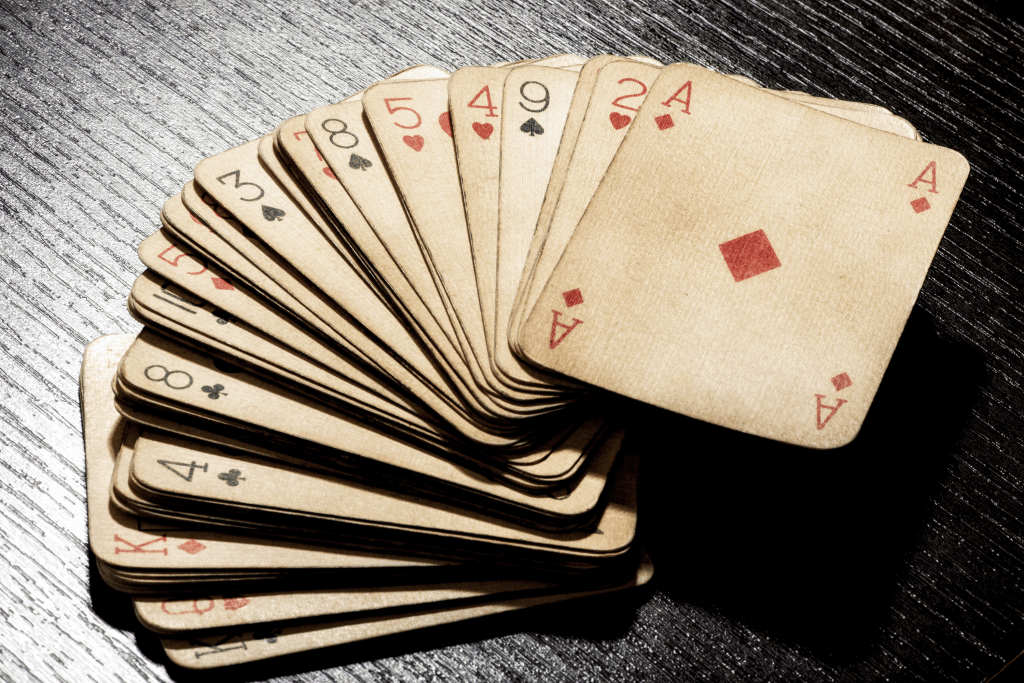
Card games are enjoyed by millions of people around the world, with different cultures adopting and adapting games over time. From the classic bila2cuci games of the West to the rich traditions in Asia and beyond, card games transcend geographic boundaries and bring people together. In this article, we’ll explore some of the most popular card games from around the world, examining their origins, gameplay, and unique appeal.
- Poker (United States)
Poker is arguably the most well-known card game globally, with numerous variations like Texas Hold’em, Omaha, and Seven-Card Stud.
Origin: The game’s roots trace back to the 16th century in Europe, but it became particularly popular in the United States in the 19th century, especially during the Gold Rush.
Gameplay: Players aim to make the best five-card hand possible using a combination of hole cards (personal cards) and community cards. Betting and bluffing are key elements of Poker, making it as much a psychological game as a strategic one.
Global Appeal: Poker’s rise in popularity has been fueled by televised tournaments, online platforms, and casino games. The World Series of Poker (WSOP) remains one of the most prestigious events in the world of competitive card games.
- Bridge (United Kingdom)
Bridge is a trick-taking game played by four players in two partnerships. It is one of the most strategic and competitive card games.
Origin: The modern version of Bridge originated in the United Kingdom in the 19th century. It evolved from earlier games such as Whist, which was popular in the 18th century.
Gameplay: Players are dealt 13 cards each, and the objective is to win tricks by playing higher cards in the leading suit. The game is divided into two phases: bidding and playing.
Global Appeal: Bridge has a massive following worldwide, with professional tournaments and online platforms dedicated to the game. It is particularly popular in Europe, North America, and parts of Asia.
- Rummy (India)
Rummy is a popular card game that requires players to form sets and runs of cards. It’s played widely in India and other parts of Asia.
Origin: Rummy has its origins in Mexico, but the game was modified and became popular in India in the early 20th century. It is often played in social gatherings and family events.
Gameplay: Players are dealt cards, and the objective is to form valid sets (three or four cards of the same rank) or runs (three or more consecutive cards of the same suit). The first player to lay down all their cards wins.
Global Appeal: Rummy has become a favorite game in countries like India, the Philippines, and the United States. Online versions of the game are also incredibly popular.
- Mahjong (China)
Mahjong is a tile-based game that is similar to card games but uses tiles instead of cards. It is hugely popular in China and across East Asia.
Origin: The game originated in China during the Qing dynasty (around the mid-19th century). It spread to the United States and Europe in the 20th century.
Gameplay: Mahjong is a game of skill, strategy, and calculation. Players must form specific combinations of tiles, and the game involves both luck and skillful decision-making.
Global Appeal: Mahjong has a strong cultural connection in East Asia, especially in China, Taiwan, Japan, and Hong Kong. International competitions and online games have further boosted its popularity.
- Uno (United States)
Uno is a fast-paced card game that is beloved by families around the world, known for its simplicity and fun mechanics.
Origin: Uno was created in 1971 by Merle Robbins in the United States as a variation of the traditional card game Crazy Eights.
Gameplay: Players take turns matching a card from their hand with the top card of the discard pile, either by color or number. Special action cards add a fun twist, such as Skip, Reverse, and Draw Two.
Global Appeal: Uno has become a staple at family gatherings and game nights worldwide. It’s easy to learn, fast-paced, and accessible to players of all ages.
- Tarot (France and Italy)
Tarot is a trick-taking game that originated in Italy and France, using a deck of tarot cards.
Origin: Tarot cards were originally created in Italy during the 15th century. The game evolved over time and became popular in France in the 17th century.
Gameplay: Tarot is played with a deck of 78 cards and is usually played by four players. The objective is to win tricks by playing higher-ranking cards, with special tarot cards offering unique actions and scores.
Global Appeal: Tarot is widely played in France and Italy and has influenced several other card games. The game’s distinct deck and rules make it a fascinating and unique experience for card game enthusiasts.
- Pinochle (United States)
Pinochle is a trick-taking card game popular in the United States, particularly among older generations.
Origin: Pinochle was first developed in the United States in the late 19th century, based on a combination of European card games.
Gameplay: The game is typically played with a 48-card deck, and players aim to form melds (specific combinations of cards) and win tricks.
Global Appeal: While Pinochle is mostly popular in the United States, it also has a following in parts of Europe, especially among older generations.
Conclusion
Card games are universal, and the diversity of games across cultures highlights the adaptability and enduring appeal of this form of entertainment. Whether it’s the competitive nature of Poker, the strategic depth of Bridge, or the fun simplicity of Uno, each card game offers a unique experience. The global love for card games showcases how they bring people together, fostering connection, camaraderie, and fun no matter where you are in the world.
 Site Title